
Cleaning jobs are an essential part of Japan’s economy and daily life. Many people, including locals and foreigners, seek cleaning jobs in Japan because of their stability and accessibility.
These roles contribute significantly to hospitality, healthcare, transportation, and home services. This article will provide insights into opportunities, salaries, benefits, and challenges of cleaning jobs across the country.
Understanding the Cleaning Industry in Japan
Japan has one of the most organized and professional cleaning sectors in the world. The industry values precision, punctuality, and consistent results that make it reliable for both households and businesses.
Cleaning staff are employed in offices, hotels, hospitals, schools, and public facilities across the country. Dense urban centers drive the need for constant cleaning services, especially in Tokyo, Osaka, and Nagoya.
The hospitality and healthcare industries depend on professional cleaning to maintain strict safety standards. As Japan prioritizes quality of life, cleaning roles continue to offer a stable and dependable career choice.
Types of Cleaning Jobs Available in Japan
Cleaning roles in Japan exist across many industries with varying requirements. The most common categories include hotels, offices, hospitals, transport systems, and residential services with clear salary ranges.
Hotel Room Attendants
Hotels employ thousands of cleaners to maintain rooms and guest facilities. These attendants handle bedding, vacuuming, and sanitizing bathrooms to meet strict hospitality standards.
They usually earn between ¥1,000 and ¥1,400 per hour, or about ¥180,000 to ¥250,000 monthly. Shifts often include weekends and evenings to meet guest demands.
Office Building Cleaners
Office cleaning involves maintaining workspaces, emptying bins, and sanitizing shared areas. Cleaners usually work in early mornings or late evenings before or after office hours.
The salary ranges from ¥950 to ¥1,200 per hour, or ¥170,000 to ¥220,000 monthly. These roles are consistent and available across most cities.
Hospital and Clinic Cleaners
Medical facilities require strict hygiene, and cleaners are responsible for sanitizing rooms and equipment. They often handle hazardous waste, so training is necessary.
Salaries range from ¥1,100 to ¥1,500 per hour, or ¥190,000 to ¥260,000 monthly. Work can be physically demanding due to the constant need for sanitation.
Train Station and Public Facility Cleaners
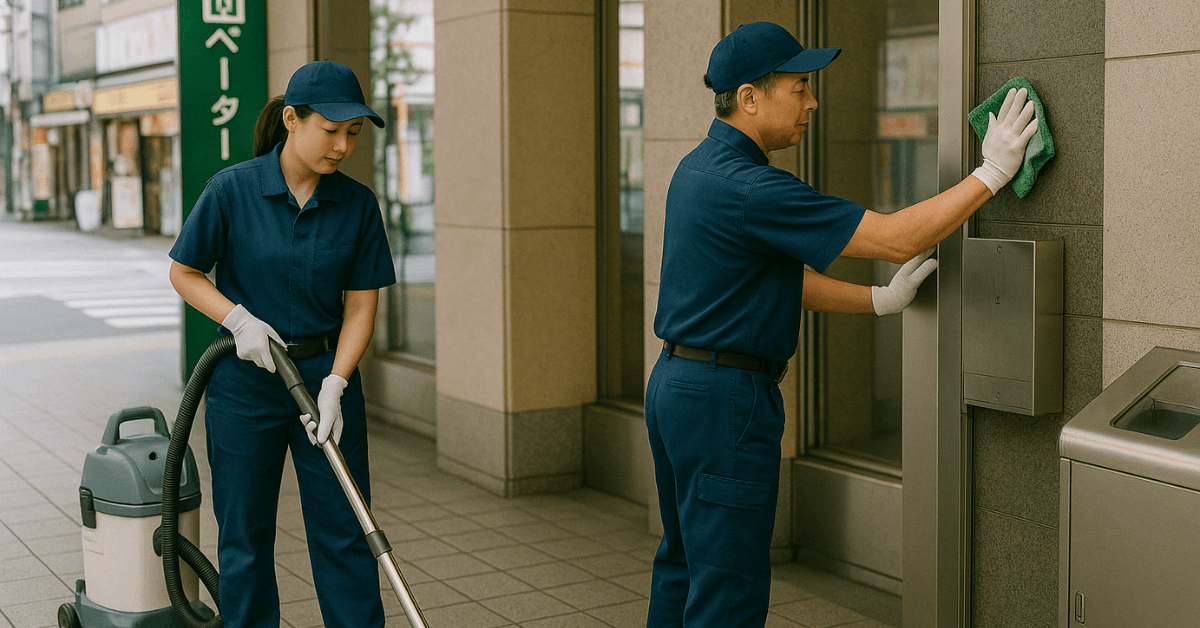
Stations and public spaces need continuous cleaning due to heavy traffic. Workers clean toilets, platforms, waiting areas, and dispose of waste.
They earn between ¥1,200 and ¥1,600 per hour, or ¥200,000 to ¥280,000 monthly. Overnight shifts are common in this category.
Residential and Housekeeping Services
Some workers provide cleaning services directly to families in homes. Duties include dusting, laundry, and overall organization.
Salaries are between ¥1,200 and ¥1,500 per hour, or ¥200,000 to ¥250,000 monthly. These jobs often provide flexible scheduling for part-timers.
Work Conditions and Schedules
Cleaning jobs in Japan have diverse schedules and conditions across industries. Many employers provide both part-time and full-time roles depending on demand.
Shifts can occur in mornings, evenings, or overnight depending on the facility needs. Full-time workers usually complete 8-hour shifts with weekends off in office settings.
Hotels and hospitals often require irregular hours that include holidays and weekends. Seasonal demand peaks during tourist seasons in Kyoto and Tokyo, and workers benefit from overtime pay though the job is physically demanding.
Required Skills and Qualifications
Cleaning roles require certain skills and qualities that help workers perform effectively. While many jobs are entry-level, some need additional qualifications to ensure safety and efficiency. Below are the common requirements for candidates:
- Basic Skills and Work Ethics: Most positions require reliability, punctuality, and attention to detail.
- Language Ability: Basic Japanese is often needed for communication with staff and supervisors.
- Physical Stamina: Many tasks involve repetitive movements, bending, and standing for long hours.
- Safety Training: Hospital roles may require handling chemicals and hazardous waste safely.
- Legal Requirements: Foreign workers must hold valid work visas to be employed legally.
Benefits of Working in Cleaning Jobs in Japan
Cleaning jobs provide multiple advantages for workers. These benefits depend on whether the role is part-time or full-time. Below is a breakdown of the most common benefits.
- Stable Employment Opportunities: Cleaning work is always in demand, making jobs secure.
- Flexible Working Hours: Many positions offer adaptable schedules, suitable for students and part-time workers.
- Health Insurance and Pension Plans: Full-time employees gain access to social security benefits.
- Overtime Pay and Bonuses: Some companies reward employees for extended hours and performance.
- Career Advancement: Workers can move into supervisory or management positions over time.
Challenges and Realities of the Job
Although cleaning jobs are stable, they also bring unique realities. Workers need to understand both physical and social aspects before applying. Below are four key challenges explained in detail.
Physical Demands
Cleaning work requires constant movement, lifting, and bending. Long shifts on your feet make the job tiring and demanding.
These conditions can affect energy levels over time. Workers must prepare physically to handle such tasks.
Health Risks
Some cleaning roles, especially in hospitals, expose workers to risks. Handling hazardous waste and chemicals requires safety training.
Without preparation, employees may face accidents or health issues. Employers often provide protective equipment to reduce risks.
Social Perception
Cleaning jobs sometimes carry low social prestige in Japan. Workers may feel undervalued compared to other professions.
This perception can affect motivation and confidence. However, consistent income helps many overlook the stigma.
Job Value
Despite challenges, cleaning roles provide stable employment and fair wages. Many workers appreciate the steady schedules and benefits.
These jobs also contribute directly to Japan’s cleanliness and safety. For many, the reliability outweighs the difficulties.
Where to Apply for Cleaning Jobs in Japan?
Finding the right employer is essential for long-term stability and success. Candidates should focus on reputable sources and trusted organizations when searching for work. Below are the key places where you can apply:
- Major Job Portals: Websites like GaijinPot Jobs, Daijob, and Indeed Japan list hundreds of cleaning roles.
- Recruitment Agencies: Specialized agencies match workers with hotels, offices, and hospitals needing staff.
- Direct Company Websites: Many hotels, hospitals, and transport companies advertise positions directly on their sites.
- Local Government Centers: Public employment service centers, known as Hello Work, offer listings and support for applicants.
Final Thoughts – Why Cleaning Jobs in Japan Matter?
The demand for cleaning roles ensures consistent opportunities across industries. Many workers seek cleaning jobs in Japan because they offer a reliable income, social benefits, and flexible working hours.
Despite the physical challenges, these jobs are essential to maintaining Japan’s living standards. If you are considering work in Japan, cleaning roles can be a practical and stable choice.


