
Uber Eats offers a flexible way to earn income for people who want extra cash or need a side job. This article covers earnings, requirements, and application steps.
It’s designed for those curious about gig work, especially new drivers seeking practical guidance. The main benefit is understanding how you can actually use Uber Eats to generate reliable, on-demand earnings in your own city.
How Uber Eats Delivery Jobs Work
Drivers pick up orders from local restaurants and deliver them to customers using their own vehicle, bike, or even scooter. The app handles connections and navigation.
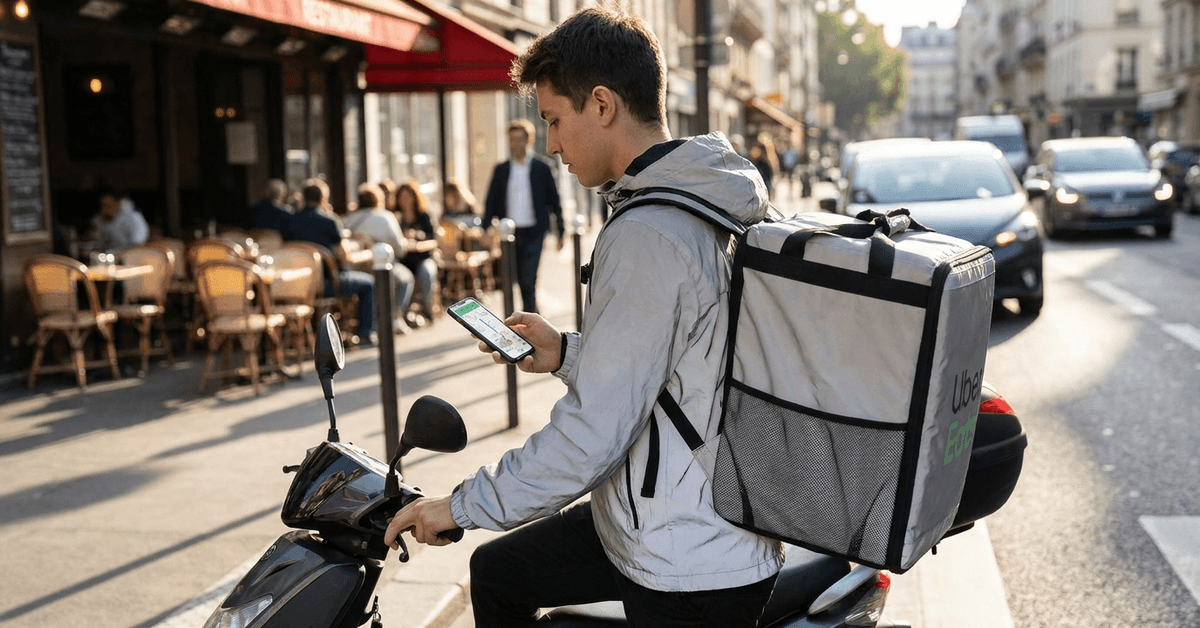
In most cities, the process is streamlined for speed. You decide when to be available, opening the app only when you want to take deliveries.
Earnings: What Can Uber Eats Drivers Make?
Uber Eats driver earnings vary depending on delivery demand, location, working hours, and customer tips.
Understanding potential income opportunities and operating expenses can help drivers estimate their take-home pay and plan a more profitable delivery schedule.
Base Pay and Earnings Factors
Driver earnings with Uber Eats depend on location, time, and order frequency. Pay combines a fee per delivery, distance, and sometimes per-minute incentives.
Extra boosts or promotions may apply during busy times. In cities like New York or London, surge pricing is more common during rush hours or lunch peaks.
Typical Income Range by City
Average gross earnings are often between $12 and $24 per hour depending on demand. In smaller cities, rates vary and can dip lower, while larger metros offer higher volume opportunities.
- New York: Often at the upper end, especially in Manhattan and Brooklyn during dinner hours.
- Los Angeles: More consistent orders, but pay-per-delivery is sometimes lower.
- Houston: Volume spikes on weekends, but sessions feel unpredictable.
- London: Top rates during large events, but traffic can slow delivery pace.
Tips and Incentives
Many customers add a tip through the app, increasing earnings significantly. Bonuses for completing several deliveries in a set period are not guaranteed but can add up.
Basic Requirements for Uber Eats Drivers
Becoming an Uber Eats driver involves meeting specific eligibility requirements and submitting the necessary documents. These conditions vary by location, vehicle type, and local regulations.
Minimum Age and Documents
Applicants must meet the minimum age requirement and provide valid identification before starting deliveries. Preparing the correct documents can help simplify verification and avoid unnecessary application delays.
- Must be at least 18 years old in most regions.
- Valid driver’s license (for car/motorcycle drivers).
- Government-issued ID if riding a bicycle.
- Proof of vehicle registration and insurance for motor vehicles.
- Background check clearance (usually completed online).
Eligible Vehicles
Uber Eats welcomes cars, motorcycles, scooters, and bikes. Cars usually need to be under 20 years old, but specifics can change city by city.
- Bike couriers: no vehicle documents needed.
- Scooter drivers: some cities exclude this mode.
- Cars: 2 or 4 doors, no commercial branding required.
Smartphone Compatibility
The Uber Driver app is essential. Supported on most iOS and Android devices, but performance is best on newer operating systems.
Step-by-Step: How to Apply for Uber Eats Delivery Jobs
- Visit the official Uber Eats sign-up page.
- Create an account with your email and contact info.
- Select your preferred delivery method (car, bike, or scooter).
- Upload required documents for identification and vehicle (if applicable).
- Consent to a routine background check.
- Download the Uber Driver app once approved.
- First-time drivers may complete a quick onboarding, often online.
The application process is mostly digital, usually taking a few days. During busy periods, approvals might take longer, especially after document verifications.
Best Tools and Apps to Help Uber Eats Drivers
Using reliable apps and digital tools can help Uber Eats drivers manage deliveries, navigate routes, and track earnings efficiently.
Choosing the right resources supports better time management, reduces unnecessary expenses, and helps create a smoother delivery experience.
- Google Maps or Waze for live navigation and route planning.
- Gridwise: Tracks earnings, mileage, and delivery stats for all gig apps.
- Stride: Records mileage and helps track tax deductions easily.
- DoorDash and Grubhub: Many drivers multi-app to boost earnings and fill downtime.
Common Obstacles Uber Eats Drivers Should Prepare For
Working as an Uber Eats driver comes with everyday challenges, including fluctuating delivery demand, traffic delays, and vehicle expenses.
Understanding these potential difficulties can help drivers plan effectively, manage expectations, and maintain a smoother delivery experience.
Order Wait Times and Tips
Some orders require long waits at restaurants. Occasionally, tip size isn’t visible until after completion, so payouts can feel inconsistent.
Peak Hour Stress
During high demand (weekends, lunchtime), there’s more chance to earn but also more competition. Traffic and parking can become tough, especially in cities like Chicago or San Francisco.
Practical Strategies to Succeed as an Uber Eats Driver
Building a successful delivery routine requires smart planning, efficient time management, and consistent customer service. Following proven delivery strategies can help drivers reduce expenses, improve efficiency, and maximize their earning potential.
- Focus on delivering during lunch and dinner rushes to maximize orders.
- Drive in denser neighborhoods or near clusters of popular restaurants.
- Keep insulated food bags ready for larger orders and higher-value tips.
- Experiment with multiple delivery apps to optimize your active time.
- Track all mileage and expenses to simplify annual tax reporting.
Understanding Legal Obligations, Insurance Coverage, and Tax Responsibilities
Uber Eats drivers should understand the legal requirements, insurance policies, and tax obligations associated with delivery work.
Reviewing local regulations, maintaining appropriate insurance coverage, and tracking earnings can help drivers stay compliant and avoid unexpected financial responsibilities.
Self-Employment Taxes
Uber Eats drivers work as independent contractors. Income is usually reported on a 1099 form (in the US), and taxes aren’t withheld by Uber.
Insurance Essentials
Personal auto insurance is required for car drivers. Some locations mandate additional insurance. Exploring gig economy policies can offer extra peace of mind.
Permits and Local Rules
Certain cities require a food delivery permit or courier license. Checking the official Uber Help Center and local government sites is vital before starting.
Conclusion
Uber Eats delivery driver jobs offer flexible, accessible earnings for those meeting basic requirements. With city differences in pay and demand, real-world results can vary widely.
Reliable tools, solid planning, and careful attention to tips and timing can boost income while minimizing stress. Anyone considering this gig should review local regulations and leverage technology to stay efficient and safe on the road.


